Live stream content flow 70% guide best tips
Managing live stream content flow requires a strategic balance between planned segments and real-time audience interaction to prevent viewer drop-off. This guide is for creators looking to structure their broadcasts, compare different streaming pacing methods, and avoid common pitfalls like disorganized transitions. Successful management involves preparing a flexible timeline, engaging with real-time feedback, and navigating the technical complexities of modern streaming platforms.
* Establish a structured yet flexible content timeline. * Monitor real-time engagement to adjust pacing. * Coordinate transitions between planned segments and spontaneous interaction. * Understand the impact of platform mergers on content availability.
How to structure live content?
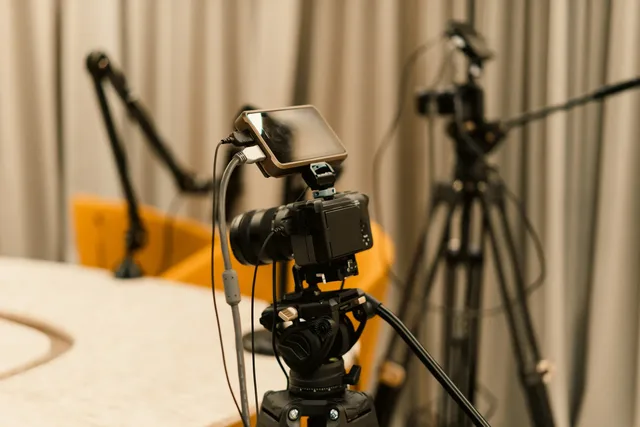
At midnight in the dim studio, the creator grips the desk while preparing to live stream with a modular schedule.
A creator sits before a glowing monitor, checking a handwritten list of topics before hitting the "Go Live" button. To manage live stream content flow effectively, you must build a modular schedule that allows for organic shifts.
Instead of a rigid script, use a sequence of blocks—such as an intro, a main demonstration, and a Q&A session—that can be expanded or shortened based on how the audience reacts.
Effective live broadcast strategy involves treating each segment as an independent unit. If a technical glitch occurs or a specific topic sparks intense debate, you can skip ahead or dwell longer without ruining the entire production.
This flexibility ensures that the momentum remains steady even when the unexpected happens.
- Hook the audience with an immediate value proposition.
- Deliver the core content through planned segments.
- Conclude with a clear call to action and a preview of the next stream.
How can I keep more viewers watching my live stream?
The camera lens captures a host laughing at a chat comment while the progress bar on the screen moves steadily forward. To focus on boosting viewer retention live, creators should integrate interactive elements at regular intervals.

This prevents the "lull" that often occurs during long demonstrations or transitions between segments.
A well-planned influencer stream content plan includes "hook" moments every ten to fifteen minutes. These could be sudden reveals, polls, or high-energy challenges that reward viewers for staying tuned.
By anticipating these moments, you maintain a sense of anticipation that keeps the audience from clicking away.
I find that the second step in my engagement plan is the most critical.
What are the best strategies for my live broadcasts?
A producer watches multiple screens, comparing the energy levels of different streaming segments during a rehearsal. Choosing the right approach depends on whether your goal is high-intensity entertainment or steady, informative dialogue.
| Strategy Type | Primary Focus | Engagement Style |
|---|---|---|
| High-Energy | Rapid pacing and visual changes | Spontaneous and reactive |
| Informative | Deep dives and structured segments | Guided and instructional |
I have found that using a hybrid model—where the first half is highly structured and the second half is more open—works best for growing communities. This allows you to establish authority early on while building a personal connection through later, unscripted segments.
How to use a stream pacing guide?
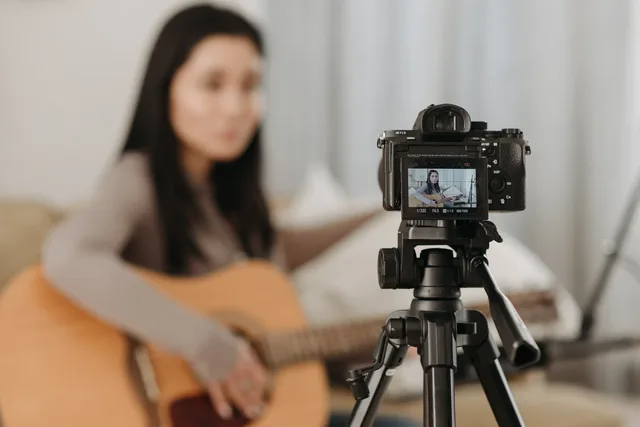
A timer on the desk ticks down as the host prepares to transition from a tutorial to a community shout-out. Using a stream pacing guide helps you visualize the energy arc of your broadcast. A guide should not be a minute-by-minute prison but a map of the intended emotional highs and lows.
- Define your "Anchor Segments," which are the non-negotiable parts of your show. 2. Allocate "Buffer Zones," which are five-minute windows of unscripted time to absorb delays or heavy chat activity. 3. Set "Transition Triggers," such as a specific number of comments or a specific time mark, to move to the next phase.
Once these steps are complete, perform a final check of your technical setup to ensure that the transitions between segments do not cause audio or visual lag.
Managing the complexities of content flow
A technician adjusts the settings on a complex streaming interface as news of industry shifts reaches the production desk. Managing the technical side of content flow is increasingly influenced by the landscape of streaming media.
The way content is distributed and accessed is constantly evolving due to corporate restructuring. In January 2025, Disney announced an agreement to combine Hulu + Live TV with competing streaming television provider FuboTV, giving Disney a 70% controlling interest in the merged business.

Such shifts mean that creators must be aware of which platforms offer the best tools for real-time engagement and content delivery.
Can live stream content flow be managed perfectly?
A host stares at a silent chat window, realizing that even the best plan cannot account for every technical failure or audience whim. While you can use tools to streamline your production, it is not established that any specific method can guarantee a flawless broadcast in every situation.
The limitation of any content management strategy is the unpredictable nature of live internet connectivity and human interaction. Even with a perfect plan, a sudden drop in bandwidth or a sudden influx of unexpected viewers can disrupt the intended flow.
Related
- Scam Recovery Guide: Live stream scam recovery guide tips
- Live waiting screen text ideas: How to build anticipation
What conditions affect live stream pacing?
- The audience's response dictates how long a segment should last. 2. Technical issues, such as a glitch, permit the creator to alter the planned progression. 3. The intensity of the topic being discussed can necessitate a shift in the broadcast's rhythm.
The comparison between high-energy and informative strategies shows that the intended goal determines the necessary pacing; a creator must align the speed of the live stream with the expected outcome.
For example, a guided instructional segment requires a slower, deliberate pace compared to a spontaneous, reactive high-energy broadcast.
How does platform evolution impact managing live content?
The evolving landscape of streaming media requires creators to keep abreast of corporate restructuring. Awareness of which platforms provide superior tools for content delivery is essential when managing live stream content.
The impact of platform mergers means that creators must consider content availability across different services.
When comparing content delivery methods, one must evaluate the tools offered by various platforms to support real-time engagement. The shifts in the industry necessitate that creators remain informed about these changes to maintain a consistent and effective live stream.
The modular schedule, which allows for organic shifts, becomes even more critical when the technical environment is subject to sudden changes. This preparation helps mitigate the risk associated with unpredictable connectivity or unexpected viewer surges during the live broadcast.
Wikipedia: Streaming media Based on the retained excerpt mentioning Streaming Innovation Alliance: In September 2023, several streaming services formed a trade association named the Streaming Innovation Alliance (SIA), spearheaded by Charles Rivkin of the Motion Picture Association (MPA).





Comments 0