Podcast content structure guide: How audio evolved
"The medium of on-demand audio has evolved through decades of technological shifts and institutional adoption."
Understanding the podcast content structure requires looking at how audio programming transitioned from traditional broadcast models to scheduled digital formats and generic terminology.
This guide covers historical context, the evolution of scheduled programming, and the legal landscape of the term. Key takeaways include the early adoption of on-demand audio by mainstream media, the establishment of regular programming schedules, and the clarification of trademark usage.
How did early on-demand audio shape the podcast content structure?
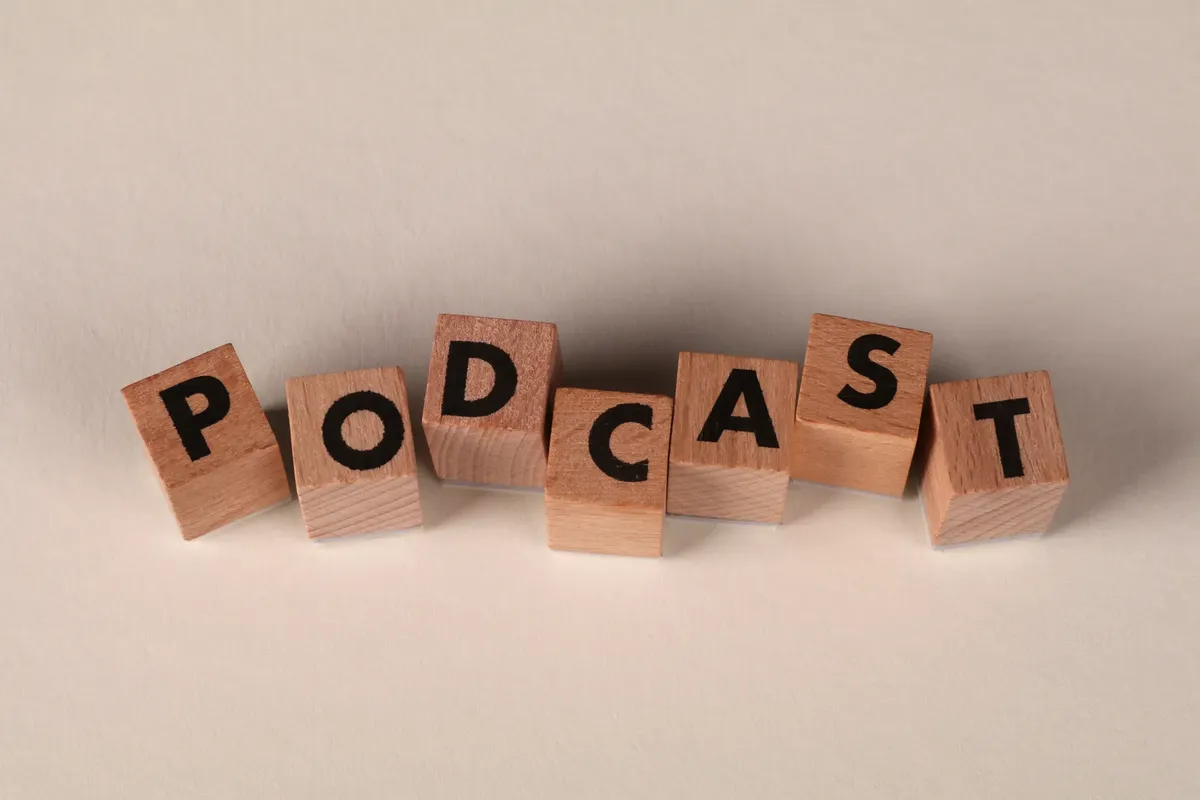
In a dim studio during the early morning, a producer taps a desk while listening to a raw podcast file.
A radio producer sits in a quiet studio in 2001, preparing a segment for a global audience. This early era of audio distribution laid the groundwork for modern podcast content structure by proving that listeners wanted specific, on-demand content delivered through traditional media channels.
This move toward digital delivery demonstrated that structured audio could exist outside of traditional live broadcasts. This shift helped define how digital audio would eventually be organized into digestible, episodic segments.
The transition from live broadcast to recorded, on-demand segments provided a blueprint for how creators would later organize their own shows. By moving away from linear radio, these early movers allowed for a more flexible approach to content design.
This flexibility is a core element of the modern podcasting landscape.
When did podcasting schedules first become a thing? Podcast content structure guide
During a cold morning in February, a student leans forward in a lecture hall to listen to the first scheduled podcast. An attendee walks through the doors of a convention center in 2005, surrounded by new technology. The formalization of the medium involved both physical gatherings and the implementation of regular, predictable programming schedules.
In November 2005, the first Portable Media Expo and Podcasting Conference was held at the Ontario Convention Center in Ontario, California. This gathering brought together early adopters to discuss the technical and creative aspects of the medium.
Following these early industry gatherings, academic institutions also began to experiment with the format.
On February 2, 2006, Virginia Tech (Virginia Polytechnic Institute and State University) launched the first regular schedule of podcast programming at the university. Establishing a regular schedule was a vital step in developing a reliable podcast content structure.
This allowed listeners to know exactly when to expect new content, mirroring the habit-forming nature of traditional radio.
Is the term 'podcast' legally protected?
At a quiet desk late at night, a lawyer rubs tired eyes while examining the legal status of the word podcast. A legal team reviews a document regarding trademark usage to ensure clarity for consumers. The term itself has a unique history regarding ownership and how it is used by the public to describe the medium.
Because the term was treated as generic, it allowed the industry to grow without the constraints of a single trademark holder.
The openness of the term helped facilitate a diverse range of content. Without the need for licensing, creators could build their own brands around the concept of podcasting. This lack of restriction contributed to the rapid expansion of the medium's variety and depth.
How did patent disputes impact the industry?
A lawyer examines a patent filing from 2009 that refers to technology supposedly invented years earlier. Legal challenges regarding intellectual property have occasionally complicated the development of the medium.
Personal Audio, a company referred to as a "patent troll" by the Electronic Frontier Foundation (EFF), filed a patent on podcasting in 2009 for a claimed invention in 1996. Such disputes highlight the tension between established patent claims and the collaborative nature of digital media.
While these legal maneuvers can create uncertainty, they do not change the fundamental way content is produced.

These challenges often arise when new technologies attempt to claim ownership over existing, widely used concepts. Understanding these disputes helps creators navigate the complexities of the digital landscape.
Despite these hurdles, the core structure of audio delivery remains focused on the listener's experience.
What are the steps to establish a regular programming schedule?
A student at a university prepares a list of topics for a weekly audio segment. Creating a consistent schedule is essential for building an audience and maintaining a professional content structure.
- Define the frequency of your audio releases to ensure consistency for your listeners. 2. Develop a list of recurring segments to provide a sense of familiarity and structure. so
- Create a production timeline that allows for recording, editing, and distribution before the scheduled release time.
After setting these steps, perform a final check to ensure that the content adheres to the promised schedule and tone. This consistency helps transform a casual recording into a professional program.
I found that sticking to a set schedule was the most effective way to manage the transition from experimental audio to a structured series.
Can a podcast structure be applied to existing media?
A broadcaster adjusts the levels on a mixing board to prepare for a digital transition. Many elements of modern podcasting are actually adaptations of much older broadcast techniques.
The transition from traditional radio to digital audio often uses the same fundamental storytelling and organizational principles. A structured approach can be applied to any medium that requires a sequence of information. However, the technical delivery methods may change.
| Feature | Traditional Radio | Podcast Content |
|---|---|---|
| Delivery | Live/Linear | On-demand/Asynchronous |
| Scheduling | Fixed broadcast times | Downloadable/Scheduled |

A limitation of applying these structures is that content designed for live interaction may not always translate perfectly to an asynchronous, on-demand environment.
- How did early on-demand audio shape the podcast content structure?
- When did formalized podcasting events and schedules begin?
- What is the legal status of the term podcast?
The subject here is Podcast content structure guide.
The same subject is also called How to structure a podcast.
The same subject is also called Podcast component breakdown.
The same subject is also called Podcast format guide.
The same subject is also called Podcast content design.
This part also covers Elements of a successful podcast.
This part also covers Planning podcast episode flow.
This part also covers Podcast production structure tips.
Elements of a successful podcast
Related





Comments 0