TikTok live feedback guide: Get TikTok live feedback tips
"The core of modern digital engagement lies in how users interact with the content they consume, turning passive viewers into active participants."
To get TikTok live feedback, creators must prioritize interactive formats like Q&A sessions, polls, and direct replies to comments to gauge audience sentiment. This guide covers engagement strategies, compares platform dynamics, and provides a step-by-step method for responding to viewer input.
This approach works best for creators seeking community growth, though it may not apply to creators who prefer strictly scripted, non-interactive storytelling.
How to get TikTok live feedback?
At midnight in the dark studio, I tap the screen to feel the vibration of new tiktok comments rushing in.
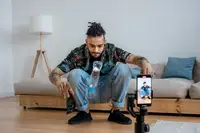
A creator sits in a dimly lit room, the blue light of a smartphone illuminating a face focused on a scrolling comment section. They tap a notification, realizing that the audience is asking for a specific tutorial on lighting.
To get TikTok live feedback, you must use the platform's native interactive tools to invite immediate responses.
By utilizing the "Reply with Video" feature, you turn a single comment into a new piece of content, showing the audience their input directly shapes your channel. This cycle of response and creation helps you understand which topics resonate most deeply with your followers.
Engaging with these real-time cues allows you to pivot your content strategy based on actual viewer interest rather than guesswork.
- Monitor the scrolling comment stream during your broadcast.
- Read aloud specific questions to acknowledge individual viewers.
- Use the poll feature to gather instant opinions on your topic.
What are the best practices for viewer engagement?
At sunset in the studio, I tap the screen and feel the sudden warmth of my phone while reading a tiktok comment.
A hand reaches for a ring light, adjusting the angle as a notification pings with a new question from a follower. The creator pauses to read the text aloud, ensuring the audience feels heard in the moment.
Using real-time content ideas involves scanning your comment section during or immediately after a post to find recurring themes.
An audience response guide suggests that consistency in responding to comments builds a sense of community and loyalty. When viewers see that their questions lead to substantive video replies, they are more likely to participate in future discussions.
This interaction transforms a one-way broadcast into a two-way conversation, which is essential for long-term growth.
I find that the second step in this process is the most time-consuming.
How do different platforms handle user contributions?
A designer compares two spreadsheets on a laptop, looking at how different brands receive engagement across various social media channels. The data reveals that the quality and volume of user-generated content can vary wildly depending on the specific platform and brand identity.
| Brand | Positive Twitter Contributions |
|---|---|
| Lulu Lemon | 64 percent |
| American Apparel | 22 percent |
While these figures specifically highlight Twitter, they illustrate how brand sentiment is reflected through user-generated content.
On Facebook and YouTube, these two brands had roughly an equal number of contributions.
How to structure feedback content?
A creator holds a microphone close to their mouth, preparing to record a response to a controversial comment. They take a deep breath, deciding how to address the feedback without losing their unique voice.
Following a starting strategy for TikTok trends requires a structured approach to ensure the feedback loop remains productive.
- Identify a specific question or comment from your recent video that requires more detail. 2. Record a short, direct video response that addresses the core of the user's inquiry. 3. Pin the original comment to the new video so viewers understand the context of your reply.
After completing these steps, perform a final check to ensure your tone remains respectful and your response adds value to the original conversation.
What are the limitations of real-time feedback?
A creator stares at a screen full of conflicting opinions, realizing that not every piece of feedback is constructive. The rapid pace of social media can sometimes lead to noise that obscures meaningful insights.
While these methods help refine content, they are not a substitute for a long-term, cohesive brand vision.
The ability to use these strategies is limited when a creator's niche requires highly polished, pre-produced cinematic content that does not allow for spontaneous interaction.
In such cases, the traditional feedback loop of commenting may not align with the production timeline or the intended aesthetic of the work.
The same subject is also called TikTok feedback tips.
The same subject is also called Real time content ideas.
The same subject is also called Make viral TikToks.
Related
- TikTok hook tips: Grab attention in ten seconds best guide
- Short form video tips: Manage duration for short film
When does the core of modern digital engagement shift focus?
When the core of modern digital engagement moves beyond simple consumption, the creator must actively solicit participation from the audience. This shift necessitates a deliberate move toward two-way communication, which is a fundamental aspect of successful platform use.
This active participation requires creators to employ specific tools available on the platform, such as initiating polls or hosting dedicated question-and-answer sessions.
Such actions transform the viewing experience from a passive reception into an interactive exchange, thereby deepening the relationship between the content and the community.
Creators seeking community growth must recognize that the effectiveness of their content is directly tied to their willingness to engage with viewer input in real time.
This responsiveness is what distinguishes successful interactive content from static uploads, allowing the creator to adapt to the needs of their followers.
Wikipedia: Wikipedia Based on the retained excerpt mentioning Free Software Foundation: Because the GFDL and Creative Commons were incompatible, in November 2008, following the request of the project, the Free Software Foundation (FSF) released a new version of the GFDL designed specifically to allow Wikipedia to relicense its content to CC BY-SA by August 1, 2009.


Comments 0