Podcast operation strategy: How early adopters shaped medium
"The transition from traditional broadcasting to on-demand audio required both technical infrastructure and a shift in how content reaches a listener's ears."
Effective podcast operation strategy involves establishing regular programming schedules, navigating trademark nuances, and managing intellectual property risks. This guide examines how early adopters and institutions shaped the medium through structured distribution and naming conventions.
Key takeaways include the importance of scheduling consistency, the role of trademark clarity, and the impact of patent disputes on industry stability.
How did early media establish podcast operation strategy?
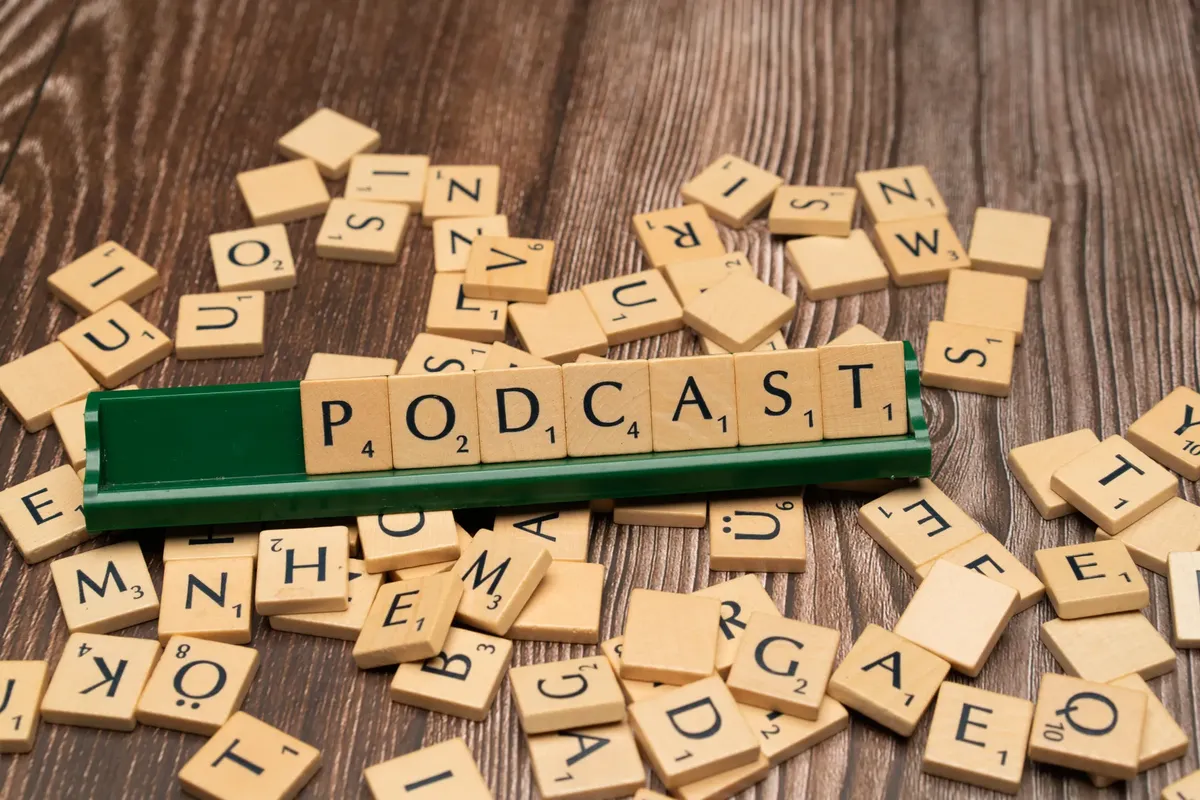
A radio producer sits in a studio, adjusting levels for a broadcast that will soon be available on demand. In August 2001, the BBC became an early adopter of on-demand audio through the BBC World Service show, Go Digital, though it was not strictly a podcast in the modern sense.
This early move laid the groundwork for how media entities would eventually transition to digital formats.
The shift toward digital audio required a move from linear broadcasting to asynchronous listening. This change forced creators to think about how content remains accessible outside of a fixed airtime.
By experimenting with on-demand formats, mainstream media helped define the early stages of podcasting success factors.
The limitation of these early efforts was that they were not yet strictly categorized as the podcasting we recognize today.
Early media pioneers utilized existing distribution networks to define content delivery cadences and audience engagement models.
What role did conferences play in podcasting running methods?
An organizer walks through a crowded convention hall, greeting tech enthusiasts and audio engineers. In November 2005, the first Portable Media Expo and Podcasting Conference took place at the Ontario Convention Center in Ontario, California.
This gathering helped formalize the community and the methods used to distribute audio content.
These early industry gatherings allowed creators to share technical knowledge and refine their podcasting running methods. By bringing together different stakeholders, the conference helped transform a niche hobby into a structured medium.
This period of networking was vital for establishing common standards.
The focus on hardware and portable media during these sessions highlighted the specific needs of mobile listeners.

Industry gatherings provided essential networking hubs that standardized operational workflows and collaborative production techniques.
How did academic institutions shape the podcasting management plan?
A professor stands before a classroom, preparing a digital lecture for students to download later. On February 2, 2006, Virginia Tech (Virginia Polytechnic Institute and State University) launched its first regular schedule of podcast programming.
This institutional move demonstrated how a structured delivery schedule could be integrated into an existing organization.
Implementing a regular schedule is a core component of a robust podcasting management plan. It provides listeners with predictability, which is essential for building an audience.
The university's initiative showed that even non-commercial entities could utilize scheduled audio to reach specific demographics.
This transition required both technical readiness and a commitment to consistent content delivery.
Academic frameworks provided the theoretical foundations for content organization and long-term resource management.
How did trademark clarity affect the podcasting success factors?
A legal representative reviews a document regarding the usage of digital terminology. On November 16, 2006, the Apple Trademark Department stated that Apple does not object to third-party usage of the generic term 'podcast' to accurately refer to podcasting services.
They also clarified that Apple does not license the term.
This declaration was a significant moment for podcasting success factors because it allowed the term to become a global standard. By not claiming exclusive ownership, the term could be used freely by various platforms and creators.
This openness facilitated rapid growth and widespread adoption across different devices.

The decision ensured that the name itself would not be a barrier to entry for new players in the market.
Clear trademark identification helped creators build recognizable brands and avoid legal complications during market expansion.
How do patent disputes impact the podcasting strategy effectiveness?
A legal team examines a patent filing that challenges the history of digital audio. In 2009, a company called Personal Audio—which the Electronic Frontier Foundation (EFF) referred to as a "patent troll"—filed a patent on podcasting for a claimed invention dating back to 1996.
This move created significant legal tension within the industry.
Such disputes can significantly disrupt the podcasting strategy effectiveness of various companies and creators. When legal entities claim ownership over foundational technology, it creates uncertainty regarding usage rights and future development.
This tension between innovation and litigation remains a key challenge in the digital audio landscape.
The impact of these legal maneuvers can stall the natural growth of a medium by creating administrative hurdles.
Patent disputes can disrupt distribution workflows and force sudden shifts in technological adoption strategies.
How to manage the transition to digital audio
A creator looks at a digital timeline, planning several weeks of content in advance. To successfully navigate the shift from traditional to digital audio, follow these steps:
- Establish a consistent release schedule to build listener habits. 2. Verify the usage rights of terminology and technical standards. 3. Monitor legal developments to protect your content from patent disputes.

After setting these parameters, perform a final check to ensure your content meets the technical requirements of your chosen distribution platform. I found that setting a schedule early on helped clarify the production workflow.
The primary limitation of these historical strategies is that they were developed during a period of rapid, unpredictable technological change.
- Audit existing analog assets for digital compatibility.
- Implement scalable cloud-based storage and distribution tools.
- Update production workflows to support high-fidelity digital formats.
The subject here is Podcast operation strategy.
The same subject is also called Podcast running methods.
The same subject is also called How to run a podcast.
The same subject is also called Podcast management plan.
The same subject is also called Podcast success factors.
This part also covers Analyze podcast operation.
This part also covers Podcast strategy effectiveness.
This part also covers Podcast element breakdown.
Related







Comments 0