How Instagram content delivery methods help maximize reach
"The way a story is packaged determines whether a viewer scrolls past or stops to listen."
Instagram content delivery methods involve choosing between static images, carousels, and short-form video to match specific audience goals.
To maximize efficiency, creators must select a format that aligns with the complexity of their message, whether it is a quick visual tip or a deep-dive narrative.
This guide helps you navigate these choices, though it is important to note that effectiveness varies based on the specific niche and current platform algorithm shifts.
* Match the format to the depth of information. * Use carousels for educational or step-by-step content. * Leverage short-form video for high-reach storytelling. * Prioritize visual consistency to build brand recognition.
How to choose the best Instagram content types?
A creator sits at a wooden desk, scrolling through a bright smartphone screen, weighing whether a single photo or a multi-slide post will better serve a new tutorial. Selecting the right Instagram content types depends on the intended user journey and the amount of detail required.
Single images work best for high-impact visual moments or aesthetic branding where a single glance conveys the entire message. If you are sharing a quick update or a striking photograph, a single post minimizes friction for the viewer.
Carousels are the superior choice for educational content or storytelling that requires a sequence. By allowing users to swipe, you increase the time spent on your post, which signals engagement to the platform. This format is ideal for "how-to" guides or before-and-after comparisons.
Short-form video serves as a powerful tool for reaching new audiences through discovery feeds. Video captures movement and sound, making it easier to convey personality or fast-paced energy.
When choosing between these, consider if your goal is deep engagement with current followers or broad reach to strangers.
Identify your primary goal for each post, whether it is driving saves, increasing comments, or boosting shares, to select the format that best supports that specific metric.
Which content delivery style should I use?
At dusk, I sit on the velvet sofa and rub my tired eyes while comparing the pacing of a video versus a carousel on instagram.
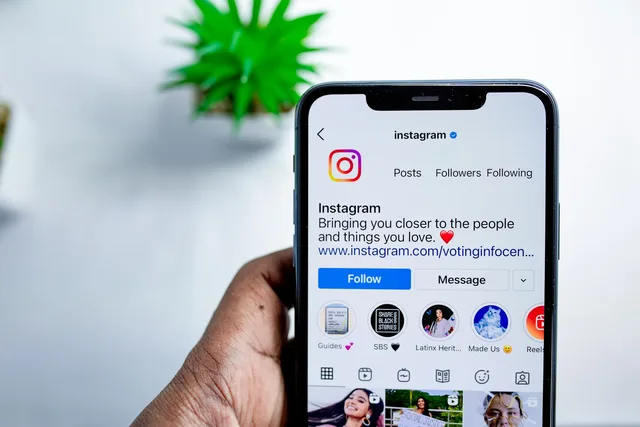
A designer opens a laptop to compare two different layout drafts, noting how a sequence of images feels different from a single sweeping video clip. Understanding the nuances of different delivery styles is essential for a cohesive strategy.
| Content Format | Primary Strength | Best Use Case |
|---|---|---|
| Single Image | Instant Impact | Aesthetic Branding |
| Carousel | High Engagement | Educational Guides |
Using these different styles helps maintain a balanced feed that caters to various consumption habits. I found that switching between these formats prevented my feed from feeling repetitive during my own content planning sessions.
Evaluate whether your audience responds better to the high-energy pacing of Reels or the more detailed, educational approach of Carousel posts.
How can I structure content to boost engagement?
In the quiet kitchen, my thumb swipes rapidly across the instagram screen as I feel the cool glass of the phone.
A writer stares at a blank digital canvas, sketching out a storyboard to ensure each slide leads naturally into the next. Implementing effective content structure tips ensures that your audience remains interested from the first frame to the final call to action.
To build a strong structure, you should focus on a clear progression. A well-structured post often follows a narrative arc: a hook to grab attention, a middle section that delivers the core value, and a conclusion that prompts a specific response.
For educational carousels, a logical flow is mandatory. You cannot jump into technical details without first establishing why the topic matters. Start with a problem, present the solution through several slides, and end with a summary.
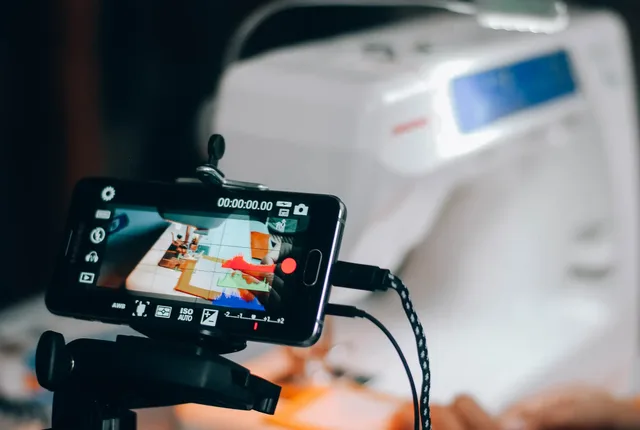
When creating video content, the first three seconds are the most critical part of the structure. If the visual or auditory hook fails, the rest of the content will likely be missed. Always place your most compelling information at the very beginning to prevent scrolling.
- Start with a strong visual or text hook to stop the scroll.
- Deliver the core value or information in the middle section.
- End with a clear call to action to prompt user interaction.
Optimizing Instagram content design
A photographer adjusts the lighting in a small studio, ensuring the colors in a physical print match the vibrant digital version on a tablet. Optimizing Instagram content design involves more than just pretty pictures; it requires functional clarity.
Visual hierarchy is a key component of design. The most important element, whether it is a headline on a slide or the subject of a photo, should be the first thing the eye hits. Avoid cluttering your designs with too much text, which can overwhelm a mobile user.
Color palettes and typography also play a role in how information is processed. Consistent use of specific fonts and colors helps users recognize your content instantly as they scroll through their feed. This repetition builds a sense of professional reliability.
When designing for different formats, remember that the interface elements of the app, such as the caption area and buttons, can overlap your content. Always leave "safe zones" at the top and bottom of your videos or images to ensure no text is obscured by the app's UI.
Maintain consistent brand colors and typography to ensure your posts are instantly recognizable in a crowded feed.
Improving content flow through storytelling
A storyteller sits in a quiet cafe, tapping a pen against a notebook while organizing a series of clips into a cohesive sequence. Learning how to improve content flow requires treating every post as a mini-narrative rather than a disconnected data point.
Content flow is established when there is a seamless transition between ideas. In a carousel, this means each slide should logically lead to the next, perhaps using visual cues like arrows or continuing a line across the edge of the frame.
In video, flow is maintained through rhythmic editing. Matching the cuts to the beat of the audio or using smooth transitions can keep the viewer's eyes locked on the screen. Sudden, jarring changes without purpose can break the immersion and cause a user to swipe away.
A successful strategy involves content strategy for social media that integrates these flows into a larger monthly plan. Instead of posting random items, plan "content pillars" that allow you to tell a continuous story over several days or weeks.
Use a narrative arc that introduces a relatable problem, presents a journey or solution, and concludes with a meaningful takeaway.
Strategies for maximizing reach and retention
A marketer reviews a spreadsheet of engagement metrics, noting which specific delivery methods led to the most saves and shares. To master the platform, you must understand the mechanics of how content is distributed and consumed.

The algorithm often favors content that keeps users on the platform longer. This makes carousels and long-form videos highly valuable for organic growth. High retention rates—the percentage of people who watch a video to the end—are a primary signal of quality.
Sharing and saving are the most potent forms of engagement. Design your content with the "save" in mind; if a user finds a post so useful they want to refer back to it later, the platform will likely show that post to more people.
Structuring for maximum engagement means asking yourself: "Why would someone share this?" Whether it is because the content is funny, educational, or deeply relatable, the motivation to share must be baked into the initial design.
Use relevant keywords in your captions and on-screen text to help the algorithm categorize and distribute your content to interested users.
Related




Comments 0